Petit Verdot’s Standalone Success: Why This Bordeaux Blending Grape Shines in Virginia
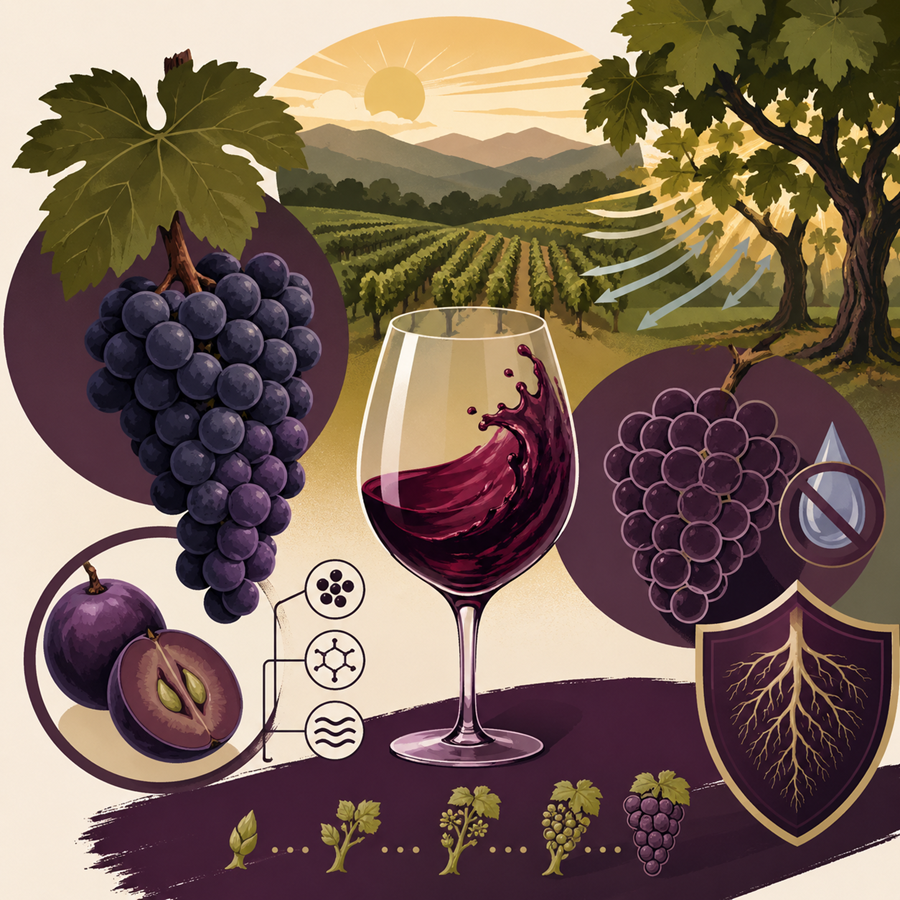
In Bordeaux, France, Petit Verdot has traditionally played a small but mighty role. It is often used in modest amounts to add color, tannin, structure, and aromatic depth to a blend. Because it ripens late, it can be difficult to bring fully to maturity in cooler or less predictable Old World growing seasons. In Virginia, […]
Cooking With Wine: Simple Ways to Add Flavor, Depth, and Balance
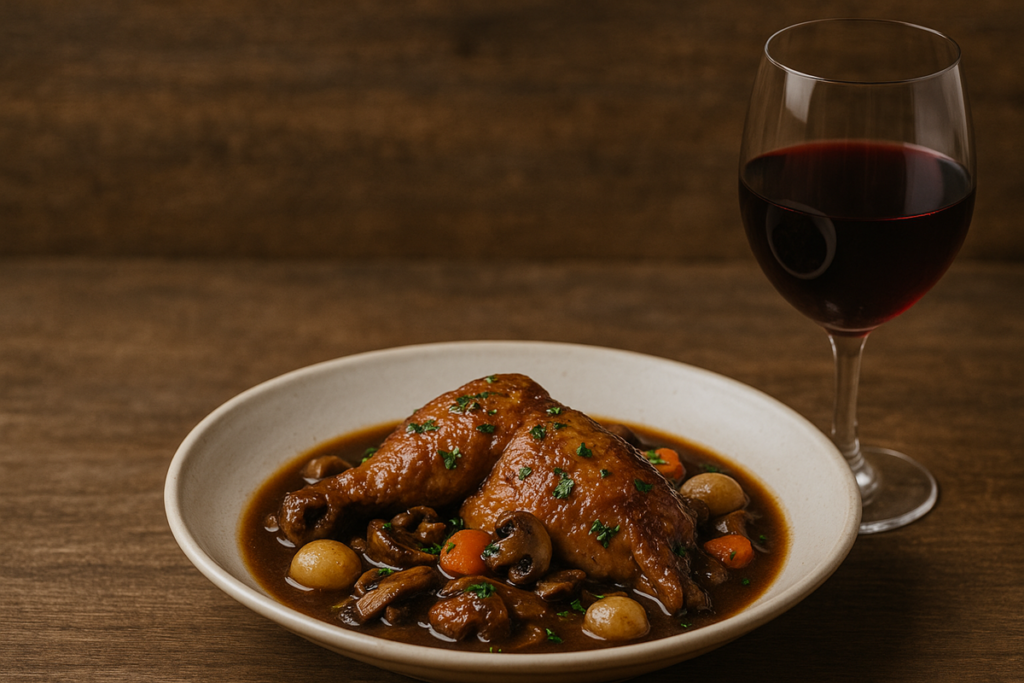
Cooking with wine isn’t just a fun saying—it’s one of the easiest ways to add depth and balance to everyday dishes. From deglazing and braising to sauces, soups, and even poaching, the right wine can transform a recipe’s flavor with just a splash. Whether you reach for a crisp white or a cozy red, a little technique goes a long way. Curious how to get started? Dive into our guide to cooking with wine and discover simple tips any home cook can use.
Living Soils: How Microbial Life Below Ground Impacts Flavor Above
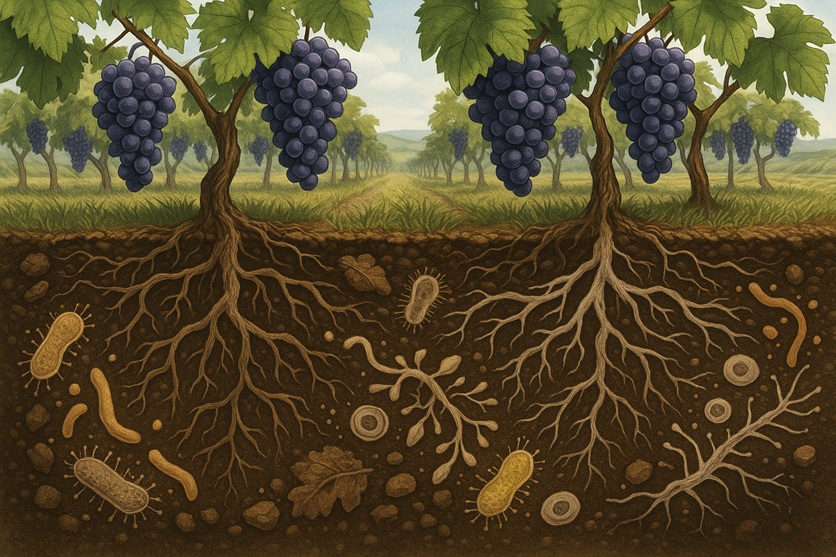
Great wine doesn’t start in the cellar — it starts in the soil. Beneath every vineyard is a thriving world of microbes that break down organic matter, support steady nutrient flow, regulate water, and help vines develop strength and balance. These underground communities also influence how grapes form their natural aroma and flavor compounds, shaping the fruit long before harvest. Many people are surprised to learn that tasting notes like berry, citrus, vanilla, or mint aren’t added to wine at all. They come from the grape variety, the environment it grows in, and the way the wine is aged. The soil microbiome plays a quiet but powerful role in that process, adding depth, nuance, and a true sense of place. Healthy soils lead to expressive wines — and that connection is one of the most fascinating stories behind every bottle.
Slope, Sunlight, and Elevation: Why Vineyard Topography Matters
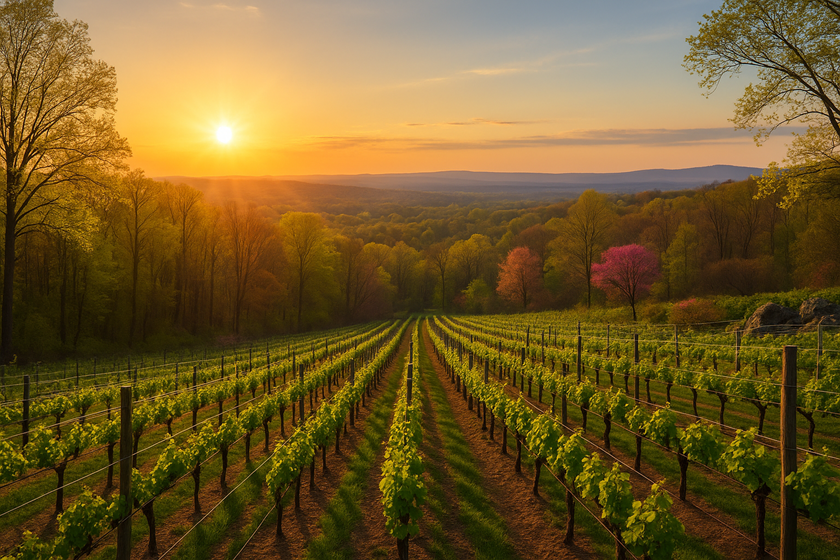
At Willowcroft Farm Vineyards, our wines are shaped as much by the land beneath the vines as by the hands that tend them. Perched high atop the Catoctin Ridge—600 to 750 feet above the valley floor—our vineyards occupy a site that is both scenic and scientifically ideal for growing premium wine grapes. Here, slope, sunlight, and elevation work together to create an environment where the vines must work harder, and the resulting fruit rewards that effort with remarkable depth and balance.
How to Store Wine (Even Without a Cellar)
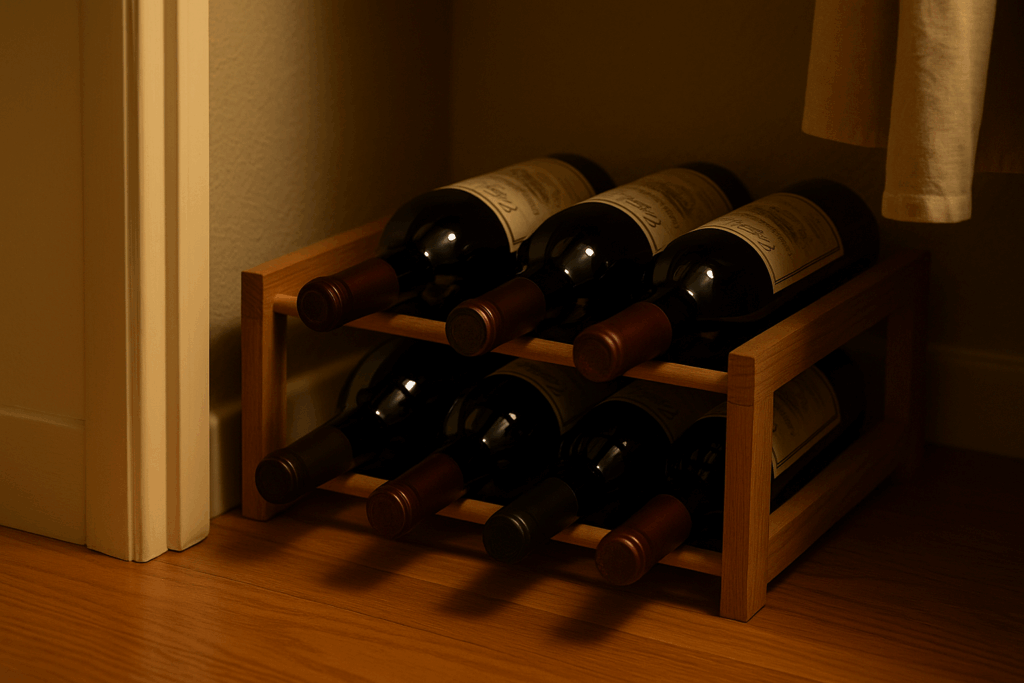
Not everyone has a wine cellar or temperature-controlled fridge, but that doesn’t mean you can’t age a bottle of Willowcroft wine beautifully at home. The secret is to create conditions that protect your wine from its greatest enemies: heat, light, and movement. With a few simple adjustments, you can transform an ordinary space into an effective mini “cellar.” With a steady, cool, and quiet environment, even a modest home can nurture a bottle into something extraordinary. Whether it’s resting in a closet or quietly tucked under a bed, your Willowcroft wine will reward your care with depth, texture, and elegance—proof that you don’t need a cellar to be a true wine collector.
The Aroma Code: Unlocking the Science of What You Smell in Wine
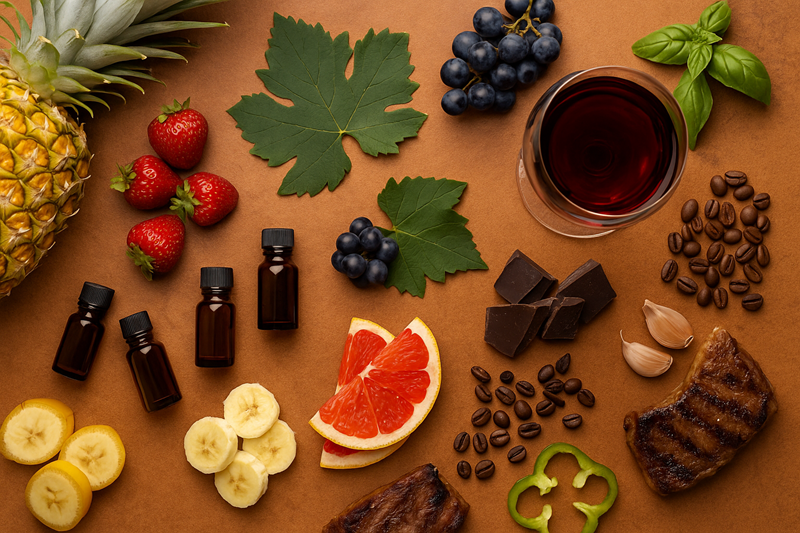
Why does one wine smell like ripe fruit while another hints of herbs or toast? The Aroma Code: Unlocking the Science of What You Smell in Wine explores the fascinating world of aroma chemistry and how volatile compounds shape the character of every glass. From fruity esters formed during fermentation, to tropical thiols unlocked by yeast, to earthy pyrazines found in grapes and roasting reactions, these tiny molecules tell a big story about where a wine comes from and how it was made. This approachable guide helps wine lovers understand the science behind their senses and discover how chemistry, grape variety, and winemaking techniques work together to create the aromas that define Willowcroft wines.
Turn Empty Wine Bottles Into Cozy Candles
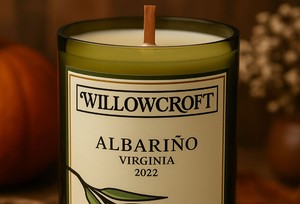
Transform your empty wine bottles into stunning cozy candles this autumn! As the days grow shorter and the nights cooler, there’s no better time to indulge in a little creativity. This DIY project not only beautifies your home but also makes for thoughtful, handmade gifts for the holidays. With just a few simple materials, you can craft unique candles that capture the essence of fall. From cutting the bottles to adding your favorite scents, each step is a delightful journey. Ready to get crafty? Let’s dive into this charming project and light up your space with warmth and style!
Glass, Cork, and Closure: What Packaging Tells You About a Wine
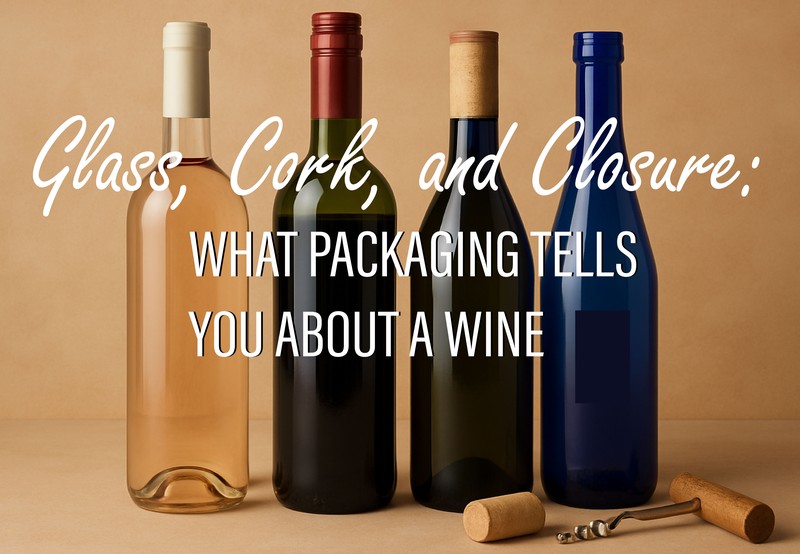
When you pick up a bottle of wine, the packaging speaks volumes before you even take a sip. From the glass color to the type of closure, each choice reveals the winemaker’s intent and the wine’s character. Discover how modern alternatives like screwcaps and synthetic corks are reshaping perceptions, ensuring quality and convenience while preserving tradition. Explore the significance of glass color and shape, and learn why these details matter more than you might think. Dive into the world of wine packaging and uncover the hidden stories behind every bottle.
Wines For WeatherThe Perfect Pour for Every SeasonWines For Weather
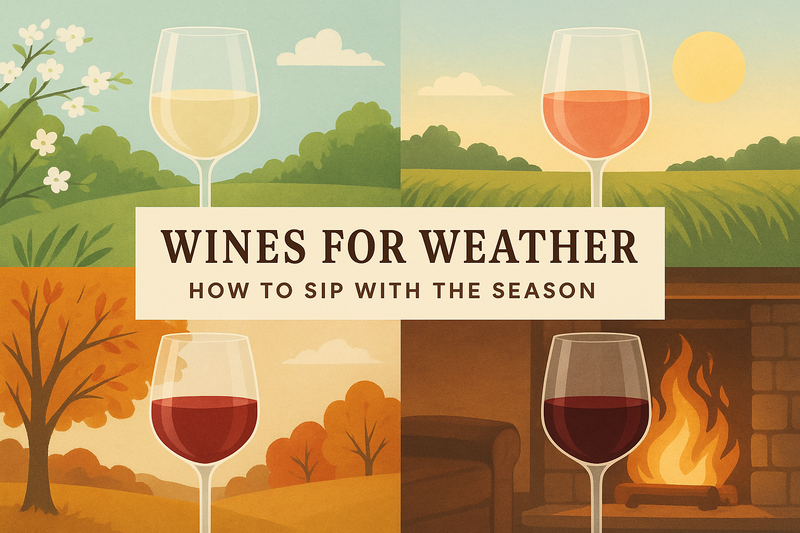
Discover the art of pairing wine with the seasons! Whether you’re cozying up by a winter fire with a bold Cabernet Sauvignon or enjoying a refreshing Albariño on a hot summer day, the right wine can elevate your experience. Learn how temperature influences taste, from the bright acidity of chilled whites to the rich textures of full-bodied reds. Explore seasonal wine strategies and perfect pairings that enhance your meals and mood. Join us on a journey to find the perfect pour for every occasion and savor the essence of Virginia wines throughout the year!
Why Bottle Age Changes Wine — and When to Drink or Hold
A great bottle of wine is not frozen in time. From the day it’s sealed, it begins a quiet transformation — a slow, graceful evolution that can soften sharp edges, deepen flavors, and reveal hidden layers. But not every wine benefits from long cellaring, and knowing when to drink or hold is part science, part art, and part joyful gamble.
The Chemistry of Change
Inside every bottle, a subtle dance is taking place. As wine ages, tannins — the natural compounds responsible for a wine’s astringency — slowly polymerize, forming longer molecular chains. This process softens the tannic bite, creating the velvety, supple mouthfeel that defines beautifully aged reds.