How to Determine the Quality of a Wine
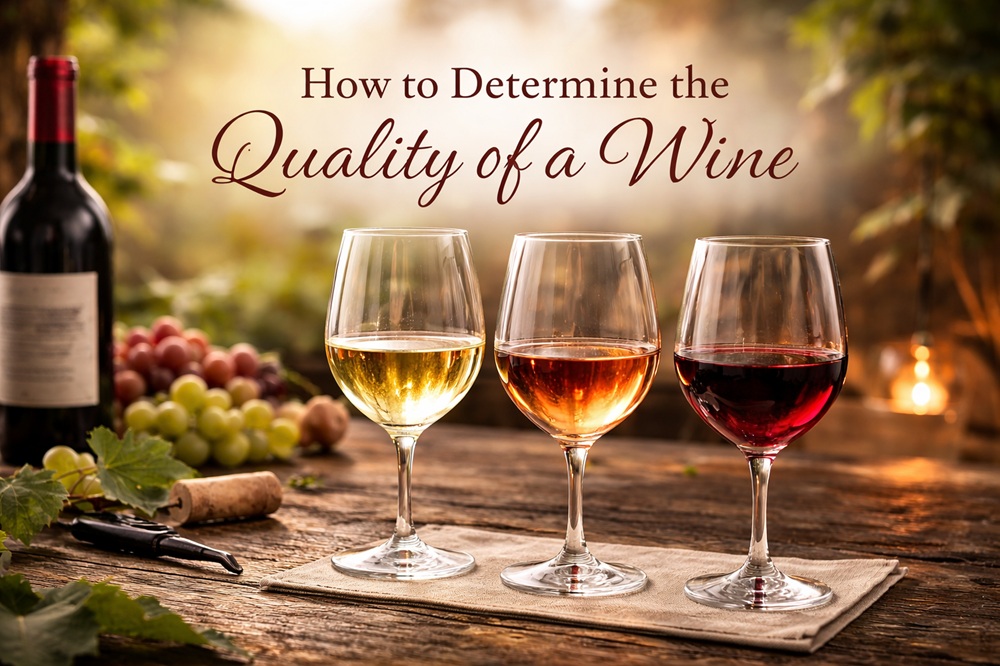
We often hear that you can judge a wine by its legs. In reality, legs mostly reflect alcohol and sugar levels, not quality. If you want to understand what is in your glass, your best tools are your eyes, nose, and palate. Region Matters Certain wine regions have built reputations for consistency and quality. Places […]
Crafted by Choice: How Winemakers Shape Flavor, Texture & Style
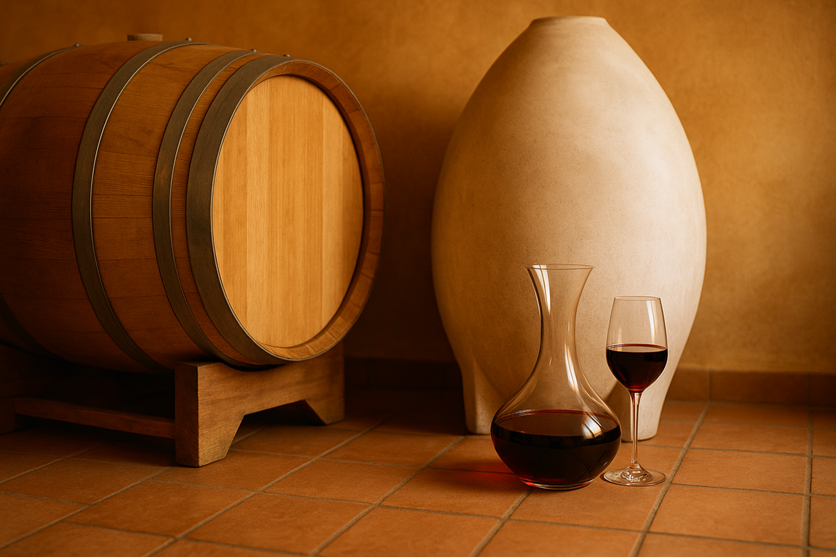
Winemaking is shaped by deliberate choices — from fermentation style to vessel type — that influence a wine’s flavor, texture, and overall personality. Techniques like malolactic fermentation, oak aging, skin contact, yeast selection, and the use of stainless steel or concrete all play a role in defining the final wine. Understanding these decisions helps wine lovers appreciate what’s in their glass and discover the styles they enjoy most.
Champagne vs. Prosecco: The Real Differences

Sparkling wine is a holiday favorite, but Champagne and Prosecco offer two very different experiences in the glass. Champagne brings depth and complexity thanks to its French origin, classic grape trio, and traditional bottle fermentation. Prosecco leans lighter and fruitier, crafted in Italy using the Charmat method that preserves fresh aromatics. Understanding these key differences makes it easier to choose the right bubbly for any celebration—and if you want to dive deeper, join us for our Holiday Sparkling Wine Class on December 20th from 12:30 to 2 PM. Cheers to a season filled with sparkle.
Living Soils: How Microbial Life Below Ground Impacts Flavor Above
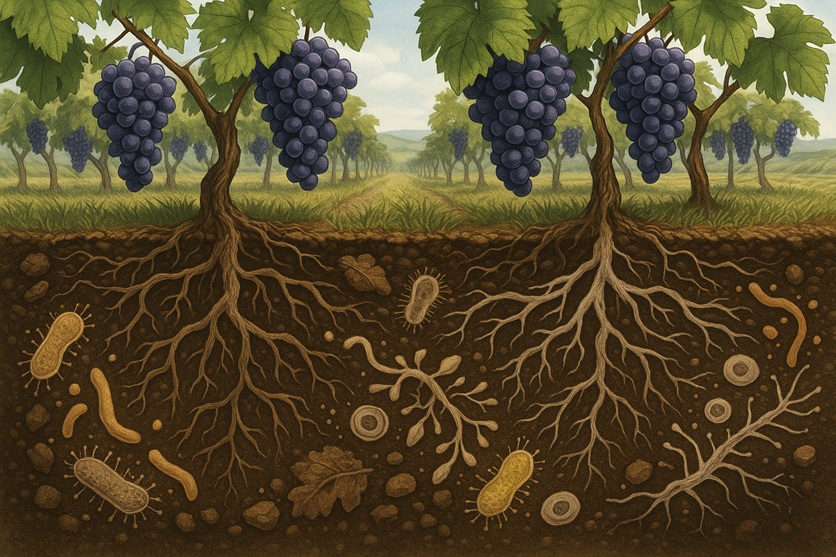
Great wine doesn’t start in the cellar — it starts in the soil. Beneath every vineyard is a thriving world of microbes that break down organic matter, support steady nutrient flow, regulate water, and help vines develop strength and balance. These underground communities also influence how grapes form their natural aroma and flavor compounds, shaping the fruit long before harvest. Many people are surprised to learn that tasting notes like berry, citrus, vanilla, or mint aren’t added to wine at all. They come from the grape variety, the environment it grows in, and the way the wine is aged. The soil microbiome plays a quiet but powerful role in that process, adding depth, nuance, and a true sense of place. Healthy soils lead to expressive wines — and that connection is one of the most fascinating stories behind every bottle.
Designing a Better Grape
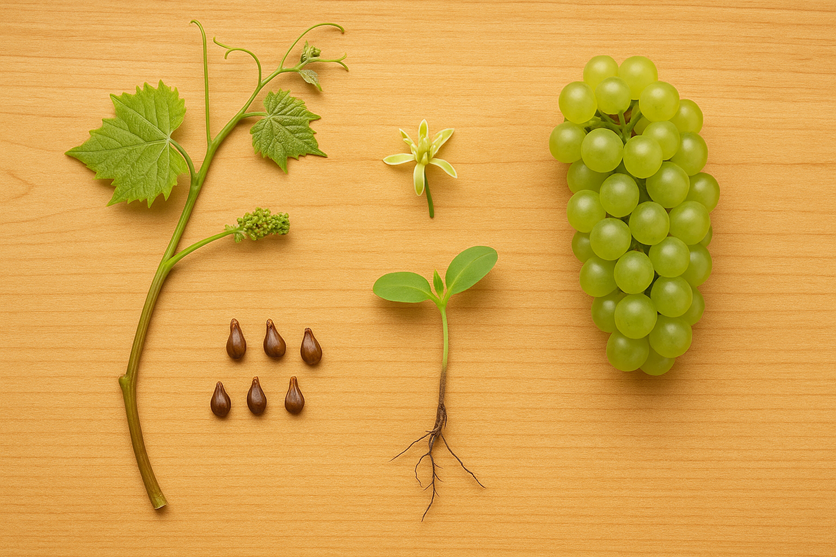
Curious how a grape like Traminette is actually created? It starts with old-school hands-on work in the vineyard: carefully choosing parents, hand-pollinating flowers, collecting seeds, then spending years growing, tasting, and testing thousands of baby vines to find the one that delivers both beautiful flavor and real-world toughness—no GMOs, no shortcuts.
In this deep dive, we unpack the science behind modern hybrids using Traminette as our case study, including its Gewürztraminer heritage and why it thrives on our Virginia mountain ridge. You’ll see how thoughtful breeding and smart planting decisions help us handle humidity, disease pressure, and shifting seasons—while raising the bar on quality in every glass of Willowcroft wine.
Blind Tasting Like a Pro: How to Decode What’s in Your Glass
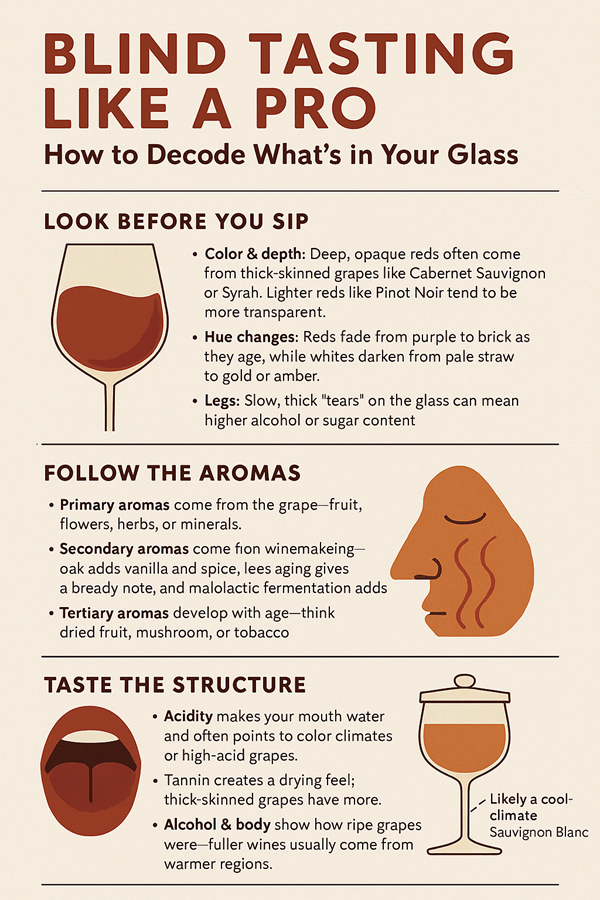
Blind tasting isn’t guessing — it’s detective work. By observing color, aroma, and structure, tasters use their senses to logically determine a wine’s grape variety, age, and origin. This process, known as deductive tasting, removes bias and helps you focus on what the wine is actually conveying. Step 1: Look Before You Sip Visual clues offer […]
The Flavor Connection: Pairing Willowcroft Wines with Herbs and Spices
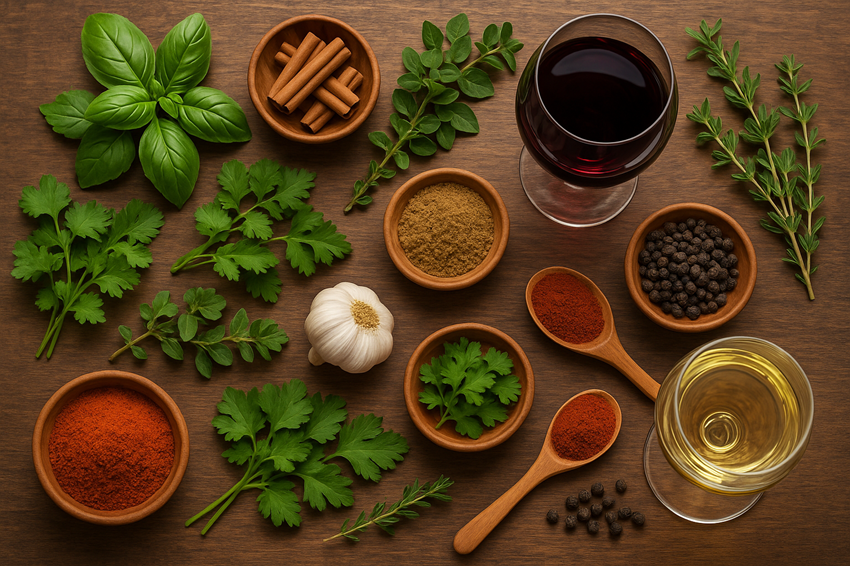
Pairing wine with herbs and spices opens up a new way to explore flavor. Many herbs and spices share the same aroma compounds found in wine — meaning when you pair similar flavors, they enhance each other in what’s called a congruent pairing. This blog explores how common ingredients in American and Mid-Atlantic cooking — like basil, oregano, thyme, rosemary, cinnamon, cumin, and garlic — can complement Willowcroft wines beautifully. From the citrusy brightness of Albariño with basil and dill to the peppery warmth of Chambourcin with cumin and black pepper, each pairing highlights how thoughtful wine choices can elevate everyday dishes. Whether you’re preparing seafood, roasted meats, or seasonal vegetables, Willowcroft wines offer the perfect companion to the herbs and spices that define regional flavor.
Slope, Sunlight, and Elevation: Why Vineyard Topography Matters
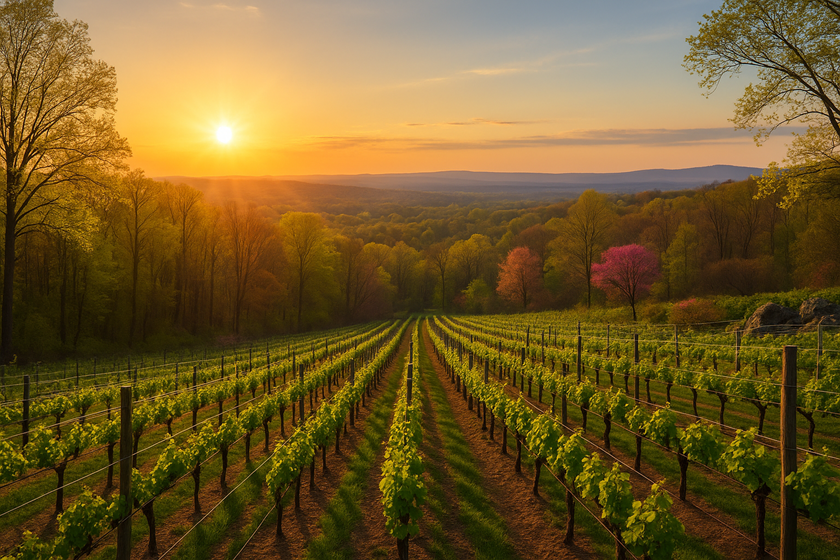
At Willowcroft Farm Vineyards, our wines are shaped as much by the land beneath the vines as by the hands that tend them. Perched high atop the Catoctin Ridge—600 to 750 feet above the valley floor—our vineyards occupy a site that is both scenic and scientifically ideal for growing premium wine grapes. Here, slope, sunlight, and elevation work together to create an environment where the vines must work harder, and the resulting fruit rewards that effort with remarkable depth and balance.
The Aroma Code: Unlocking the Science of What You Smell in Wine
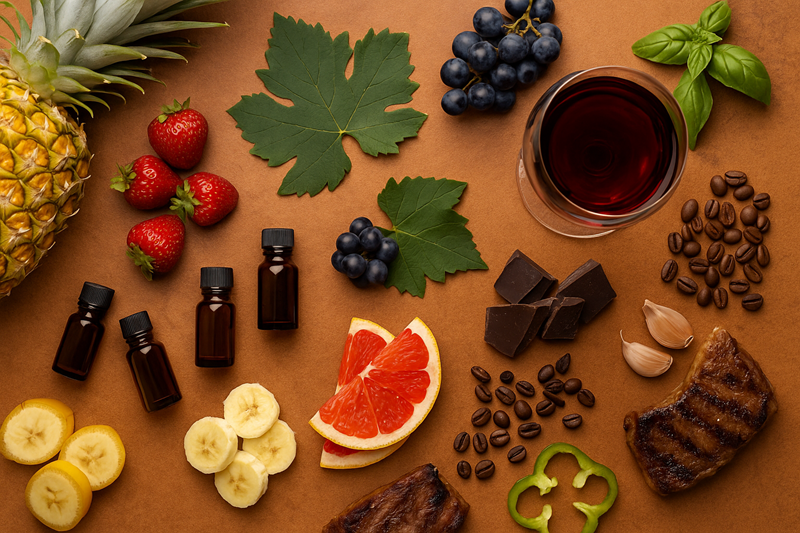
Why does one wine smell like ripe fruit while another hints of herbs or toast? The Aroma Code: Unlocking the Science of What You Smell in Wine explores the fascinating world of aroma chemistry and how volatile compounds shape the character of every glass. From fruity esters formed during fermentation, to tropical thiols unlocked by yeast, to earthy pyrazines found in grapes and roasting reactions, these tiny molecules tell a big story about where a wine comes from and how it was made. This approachable guide helps wine lovers understand the science behind their senses and discover how chemistry, grape variety, and winemaking techniques work together to create the aromas that define Willowcroft wines.
The Post-Prohibition Rebirth of American Wine
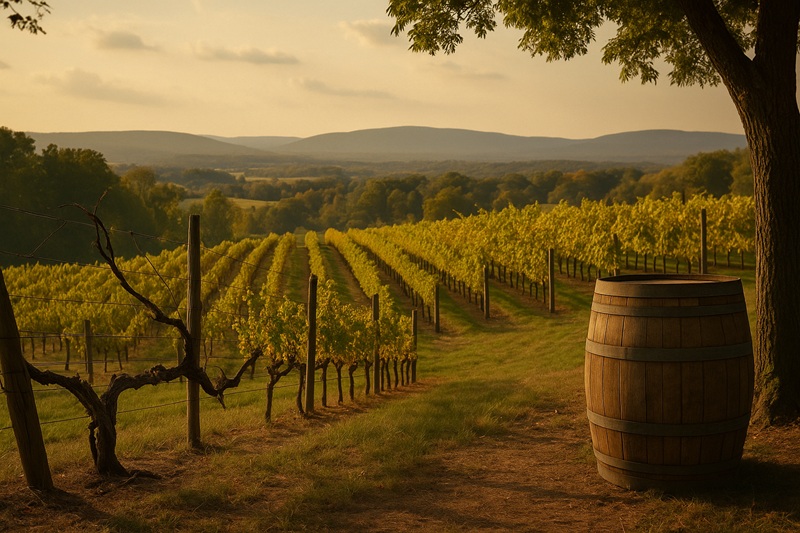
The story of American wine is one of resilience and revival. When Prohibition wiped out the nation’s wineries, a handful of home winemakers and bootleggers kept the craft alive. Decades later, that quiet perseverance set the stage for a renaissance—from California’s world-stage debut to Virginia’s own wine revival. Founded in 1981 atop Catoctin Ridge, Willowcroft Farm Vineyards emerged as Loudoun County’s first modern winery and remains its oldest continuing operation—a pioneer born from America’s post-Prohibition rebirth.