Fermentation by Design: How Yeast Creates Style, Texture, and Taste
Yeast doesn’t just start fermentation—it has an ongoing and powerful influence on how a wine tastes, feels, and evolves.
In Part 2 of our yeast series, we examine what happens after yeast is introduced and how its role influences the final product. From citrusy aromatics to creamy textures and decisions about sweetness, yeast is one of the most essential style tools in a winemaker’s hands.
Wine Families: Why Certain Grapes Share Similar Traits
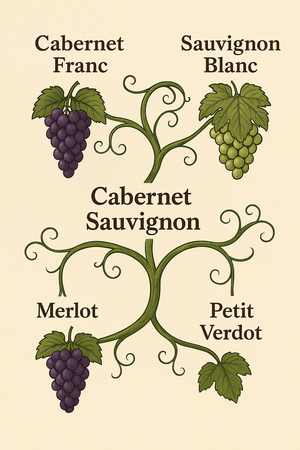
If you’ve ever wondered why Cabernet Sauvignon and Merlot often feel like siblings in a Bordeaux blend—or why Sauvignon Blanc seems to “get” Cabernet Sauvignon so well—there’s a good reason for that. Like people, grape varieties have lineages, and once you trace their “family trees,” the patterns in flavor, structure, and style start to make a lot more sense.
Let’s explore some of the most fascinating grape family connections and how they show up in your glass.
Native Yeast vs. Cultured Yeast: Who’s Fermenting Your Wine?
When you think of what gives wine its flavor, you might picture grapes, barrels, or even the soil beneath the vines. But one of the most powerful forces shaping your wine’s personality is microscopic: yeast.
Yeast is what turns grape juice into wine. Without it, there’s no fermentation—no alcohol, no aroma development, and no complexity. But not all yeast is the same. Winemakers must choose between using native (wild) yeast or cultured (commercial) strains, and that decision can have a significant impact on the final product.
Wine Diamonds: Not a Flaw, But a Sign of Quality
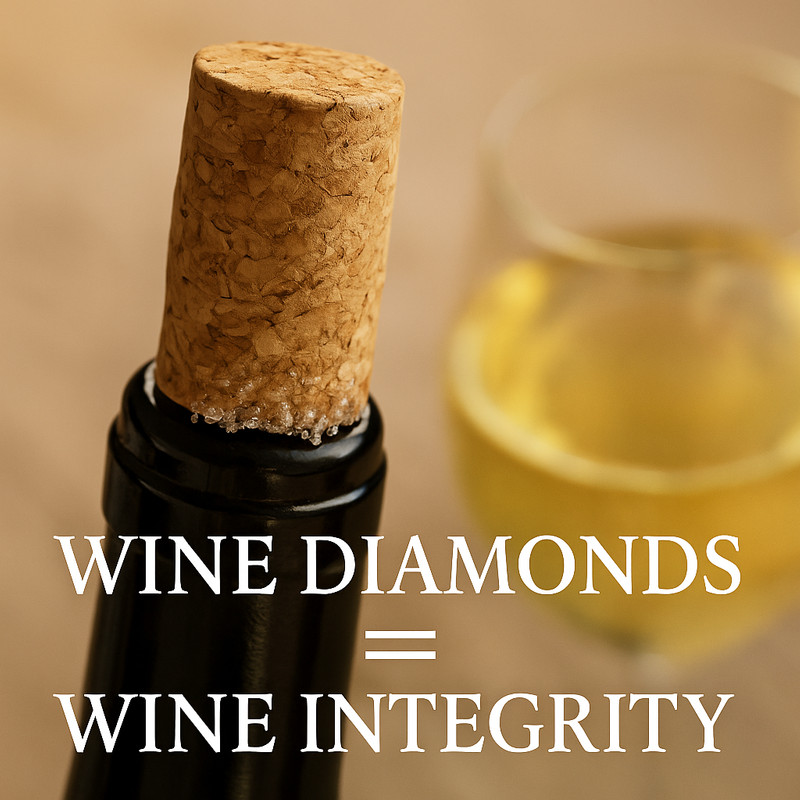
What Those Crystals in Your Wine Bottle Really Mean.
Ever poured a beautiful glass of wine and noticed a few shimmering crystals at the bottom, or maybe clinging to the cork? If your first instinct was concern, you’re not alone.
But don’t worry—those sparkly specks are known as tartrate crystals, or more affectionately: wine diamonds. They’re not only harmless, they’re a sign that your wine is authentic, natural, and minimally processed.
At Willowcroft, where we emphasize gentle winemaking and purity of expression, wine diamonds are simply part of the story. Let’s explore what they are, why they form, and why they’re worth celebrating, not avoiding.
Old Vines, Timeless Wines: What 40+ Years Means in the Vineyard
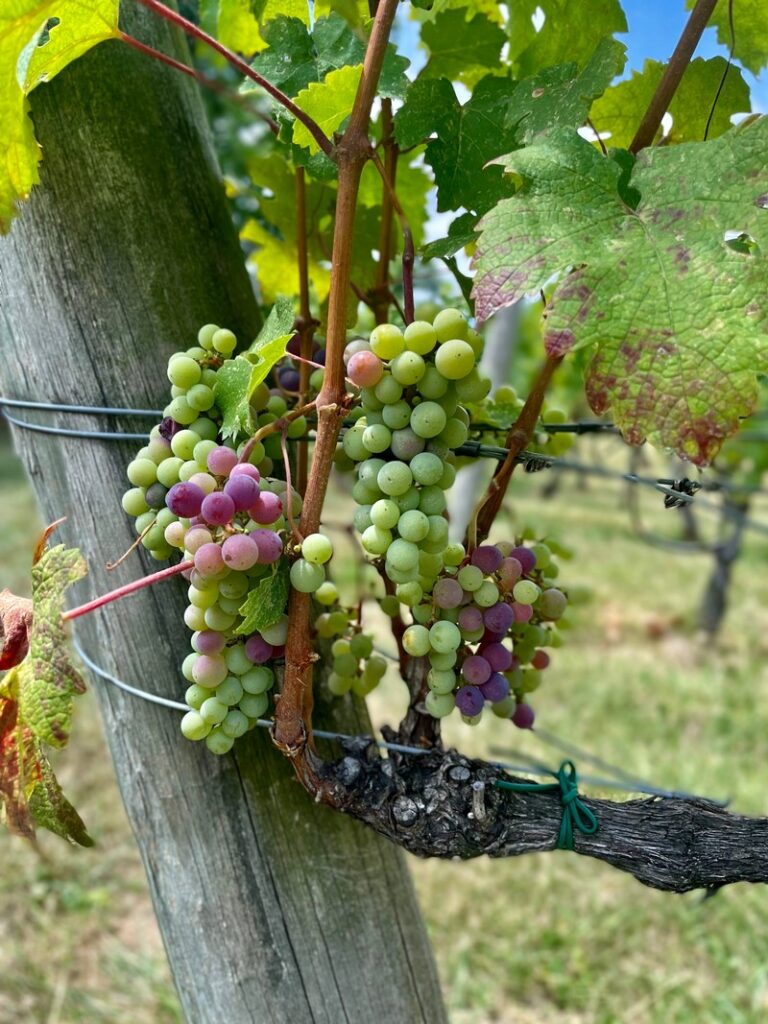
A Willowcroft Perspective on the Power of Age
In wine, there’s something magical about the word “old.” Old cellars, old barrels, old vintages—and, of course, old vines. But what does “old vine” actually mean? Is there a specific age? A special certification? Or is it simply marketing?
At Willowcroft, many of our original vines—planted in 1981—are now over 40 years old, making them among the oldest in Virginia. These vines, with decades of seasons behind them, produce fruit that reflects both history and resilience.
Rootstock Rebellion: How the Bottom Half of the Vine Shapes the Wine
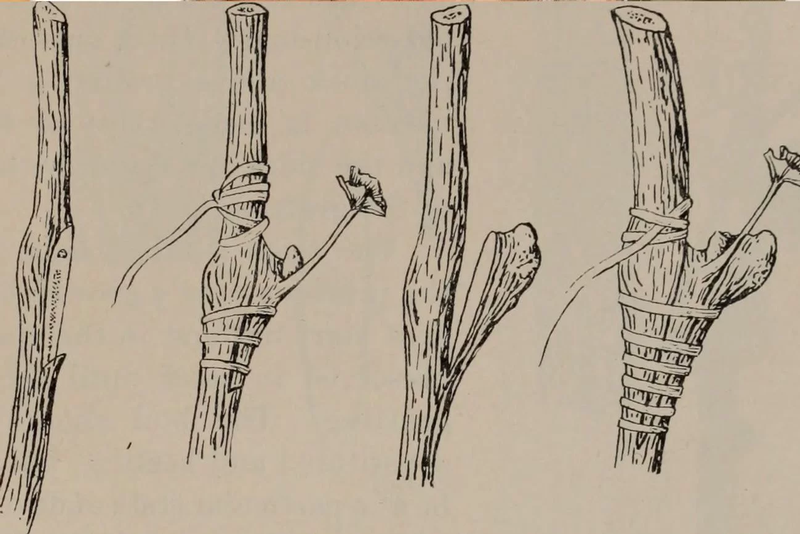
The Unsung Hero Beneath Every Great Vintage
Ask a wine lover to name what shapes a wine’s character, and you’ll hear about grape varieties, climate, barrels—even yeast. But there’s one key player almost no one talks about: rootstocks.
These humble underground structures don’t make headlines or tasting notes, but they’re the very foundation of modern viticulture. They protect against pests, adapt vines to challenging soils, and influence everything from how grapes ripen to how the wine tastes. At Willowcroft, where we farm without irrigation and face Virginia’s humid summers, choosing the right rootstock isn’t optional—it’s vital.
So why don’t we hear more about them? To answer that, let’s dig into history, science, and a little Texas-sized adventure.
🍇 Grape Clones & Hybrids: What They Are and Why They Matter
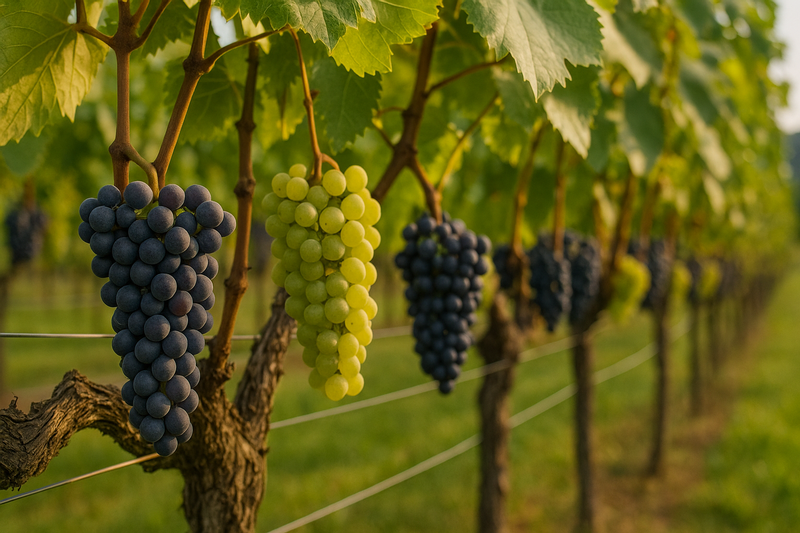
A Willowcroft Deep Dive into the Genetics of Great Wine
Not all Chardonnay is created equal.
Not even all Merlot.
In fact, even within the same vineyard block, the grapes growing just a few feet apart might come from entirely different genetic lineages.
Most wine lovers are surprised to learn how much grape genetics influence what’s in their glass. At Willowcroft, we take pride in our deep connection to both classic vinifera grapes—like Cabernet Sauvignon, Cabernet Franc, and Chardonnay, which were among our original plantings—and to modern hybrid varieties that have helped us thrive in Virginia’s unique growing environment.
🥂 Wine for Breakfast (Sort Of): Perfect Brunch Pairings for Each Varietal
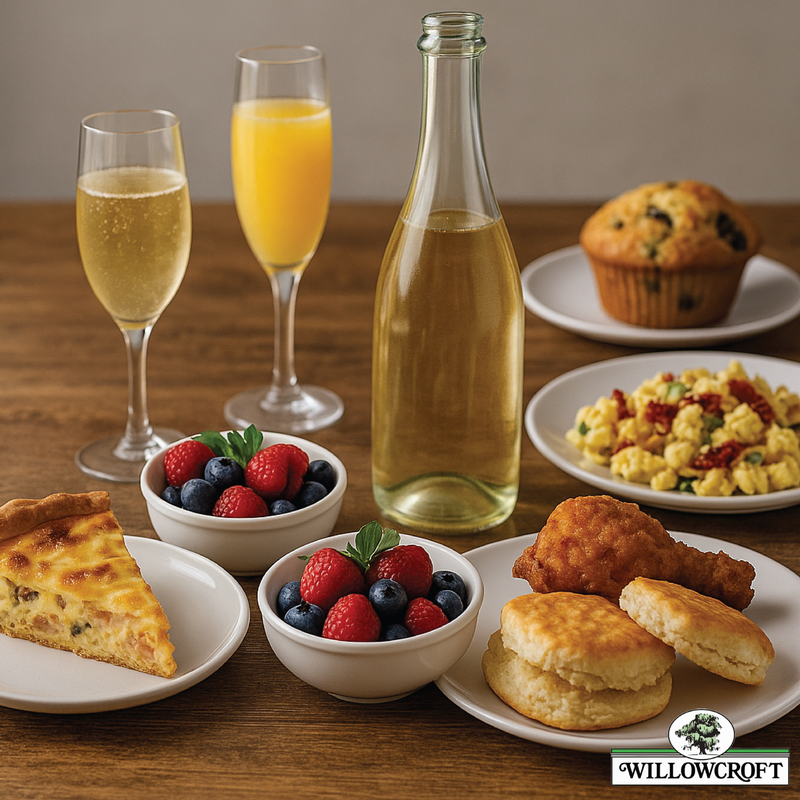
A Willowcroft Guide to Sipping Through Summer Brunch
We’re not saying you should pour a glass of Cabernet with your cereal—but when it comes to summer brunch, wine absolutely belongs at the table. Think of it as elevating your leisurely late morning meal with fresh flavors and the perfect Virginia pour.
Whether you’re hosting a weekend brunch on the porch or bringing a bottle to a potluck-style picnic, Willowcroft wines pair beautifully with everything from savory scrambles to fruity pastries. Here’s your guide to mixing, matching, and sipping like a pro—all before noon.
Unexpected Pairings: Virginia Wines & Global Takeout
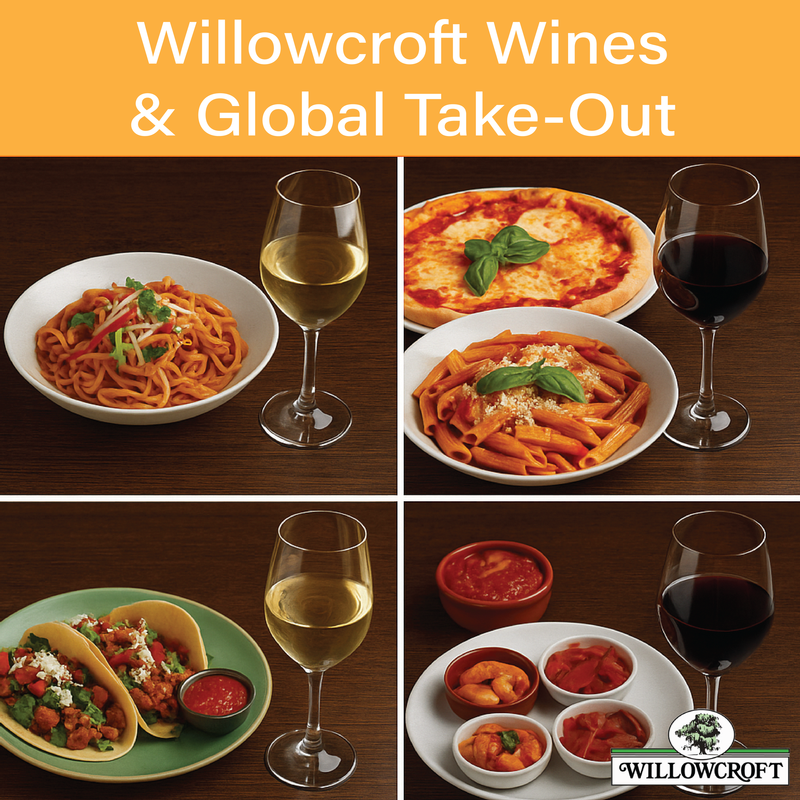
A Willowcroft Guide to Sipping Local with International Flavor
In the greater Washington D.C. area, our takeout menus read like a passport—offering everything from spicy Thai noodles to soulful Creole classics, tacos that transport us to Mexico City, and pasta that could pass for a Roman holiday. But with so many vibrant flavors, how do you choose the right wine?
Here’s a twist: you don’t need to reach for an imported bottle. Willowcroft Farm Vineyards produces Virginia-grown wines that pair beautifully with global cuisines, right from our perch atop the Catoctin Ridge.
Rooted in Resilience: The First Grapes at Willowcroft and Their Legacy Today
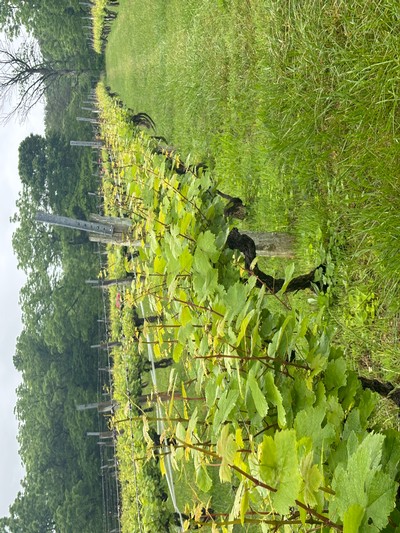
When Lew Parker first planted grapes at Willowcroft Farm Vineyards in 1980, there was no roadmap—only a dream, a hillside, and the hope that Virginia could one day rival the great wine regions of Europe. At the time, the very idea of growing European grape varieties, known as Vitis vinifera, was considered risky, even reckless, by local advisors from the Virginia Extension Service. But like many pioneers, Lew believed that the best way to grow was to take a chance.