Winemaking may look like magic, but behind every bottle is a series of thoughtful decisions that guide how the wine will taste, feel, and age. From how the juice ferments to what vessel it rests in, each choice helps shape the wine’s personality. When you understand these decisions, you start to see why your favorite wines taste the way they do — and it becomes a lot easier to discover new wines you’ll love.
The techniques winemakers use during fermentation, aging, and finishing have a direct impact on texture, aroma, and overall style. Whether you prefer crisp and refreshing, soft and round, or bold and structured, there’s a method behind those flavors. Let’s take a closer look at a few of the key tools winemakers use to craft the final experience in your glass.
Malolactic Fermentation (MLF)
MLF is the process where naturally occurring bacteria convert sharp malic acid — think green apple — into softer lactic acid, found in dairy products. The result is a smoother, rounder texture and a creamy character often associated with Chardonnay. Some winemakers avoid MLF in aromatic whites like Sauvignon Blanc or Riesling to keep the wine bright, crisp, and refreshing. Allowing or stopping MLF is one of the clearest ways to shape a wine’s texture and overall impression.
Oak Aging
Oak barrels do far more than store wine. Depending on the type of oak and its level of use, the barrel can soften tannins, add depth, and introduce flavors like vanilla, toast, baking spice, or subtle sweetness. Oak also allows gentle oxygen exposure, which helps a wine gain structure and develop complexity over time. A wine aged in stainless steel versus one aged in oak will show two very different personalities, even when made from the same varietal.
Skin Contact
How long grape skins stay in contact with the juice affects a wine’s color, tannin, and intensity. For red wines, extended skin contact creates deeper color, firmer structure, and richer flavor. Rosé sees only brief contact, allowing for softer aromatics and a lighter style. Most white wines skip skin contact entirely — but extended contact is what creates distinctive “orange” wines known for their texture and complexity. This early decision sets the tone for the wine’s entire profile.
Fermentation and Aging Vessels
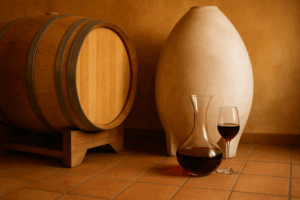
Different vessels offer different outcomes. Stainless steel keeps wines crisp, aromatic, and fruit-driven. Oak barrels add texture and flavor layers. Concrete — especially concrete eggs — provides something unique: a neutral vessel that still allows subtle oxygen movement while encouraging natural circulation on the lees. That gentle lees contact builds mouthfeel without adding oak flavors. Each vessel supports a specific stylistic choice.
Yeast Choice
Yeast may be tiny, but its influence is huge. Winemakers choose yeast strains based on the style they want to highlight. Some yeasts amplify fruit notes, some encourage a fuller texture, and others help maintain delicacy and freshness. At Willowcroft, cultured strains are selected thoughtfully to support consistency, elevate aromatics, and protect the integrity of the wine from start to finish. The choice of yeast can guide fermentation speed, shape aromatic tones, and even contribute to subtle flavor nuances — making it one of the quiet but powerful tools winemakers rely on to define a wine’s character.
The Winemaker’s Touch
Every step — from harvest timing to fermentation temperature to blending — reflects the winemaker’s vision. Some winemakers take a gentle approach, allowing the fruit to speak with minimal interference. Others embrace a more hands-on, technical style to craft specific textures and flavors. Neither path is better; they’re simply different expressions of the craft. What you taste in the glass is the result of dozens of thoughtful decisions made along the way.
Bringing It All Together
By the time a wine reaches your glass, it has already lived a full journey shaped by choices, tools, and intention. Understanding these techniques adds a new layer of appreciation to every sip and helps you discover more wines that match your personal style.
If you’re curious to explore, try tasting wines side by side — oak vs. stainless steel, MLF vs. no MLF — and notice what stands out. And we’d love to hear from you: what textures or styles do you gravitate toward? Share your favorites or stop by the tasting room to experience the different expressions crafted here at Willowcroft.